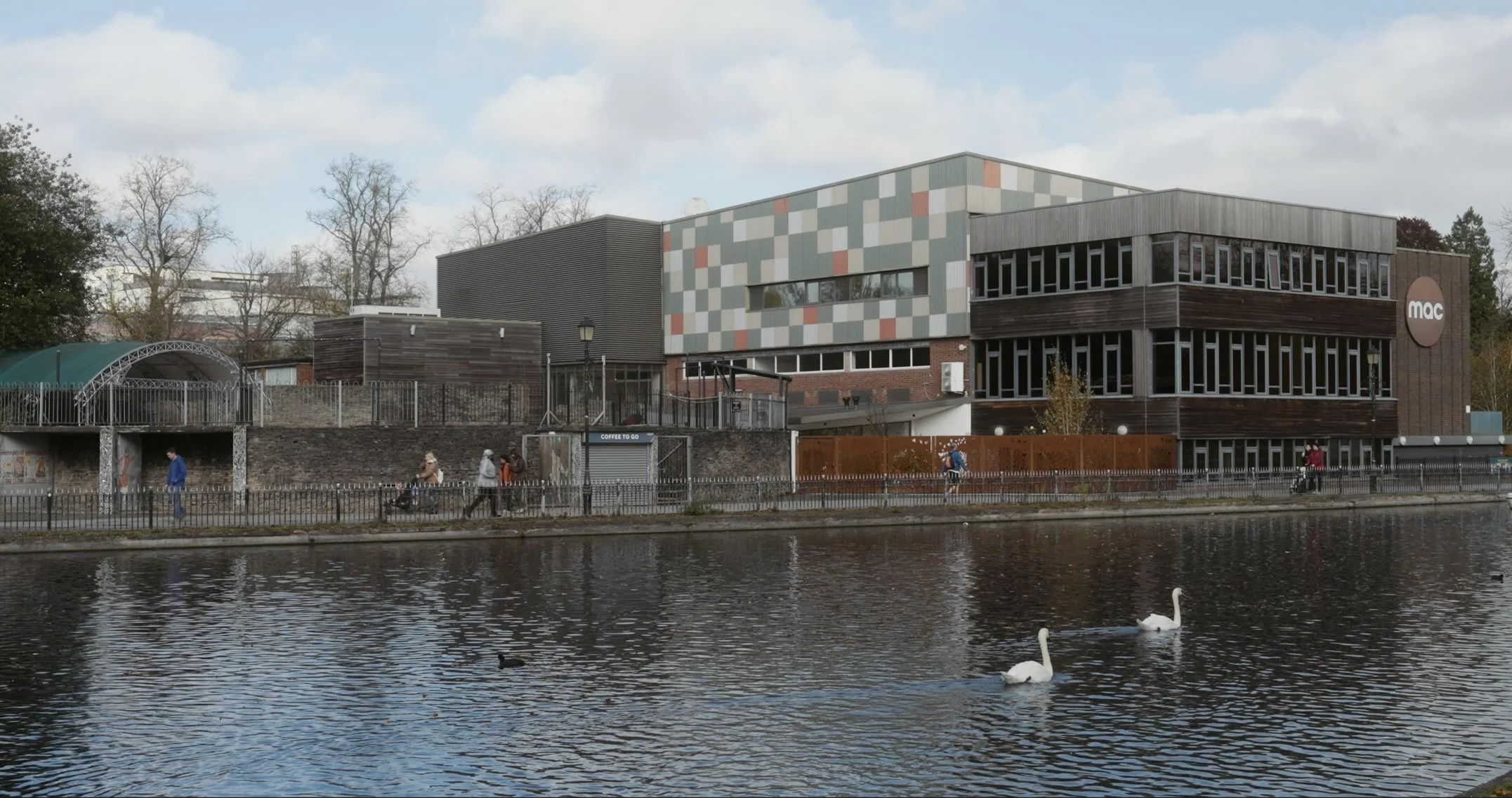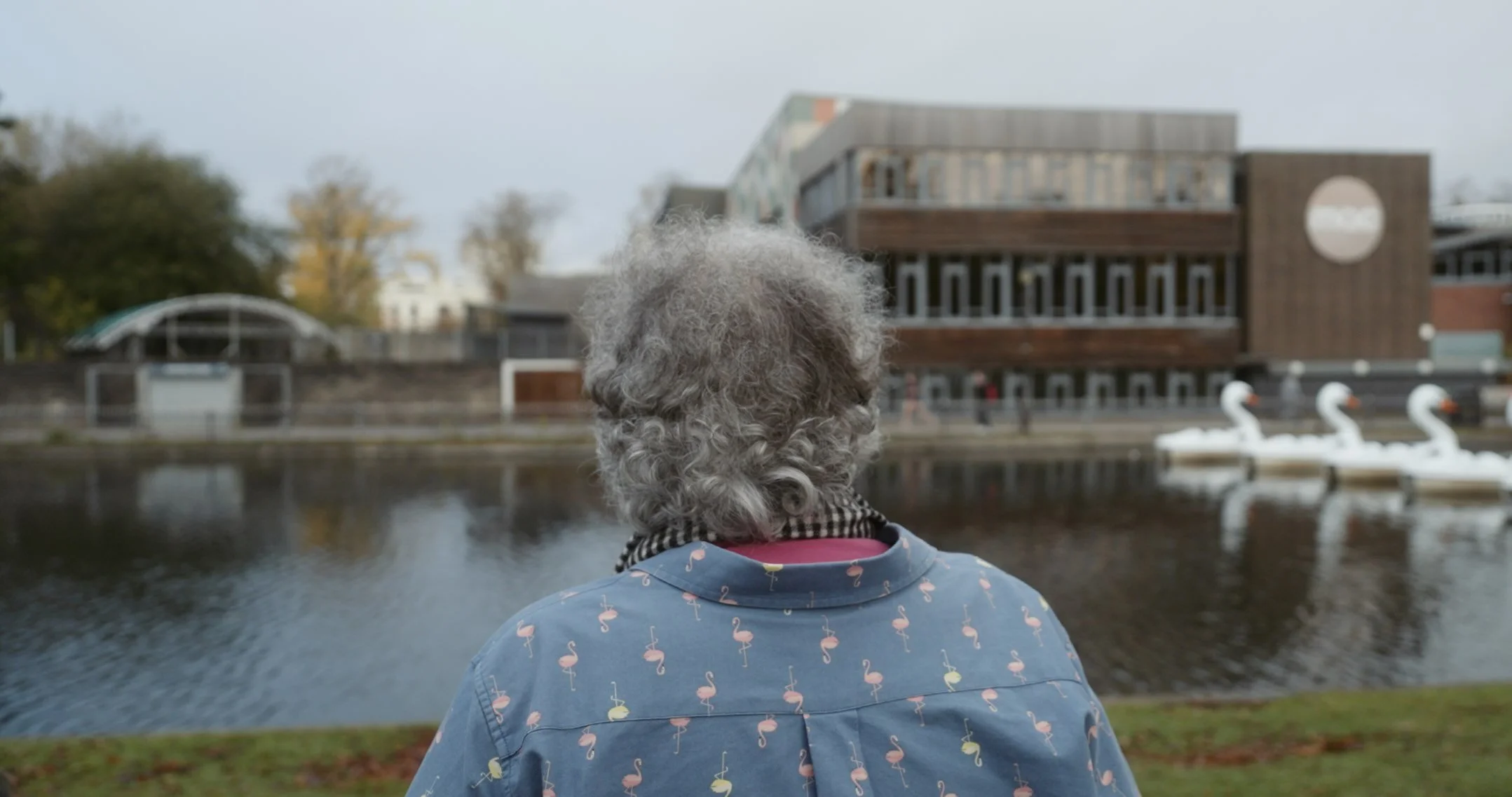
Making of MAC (2025)
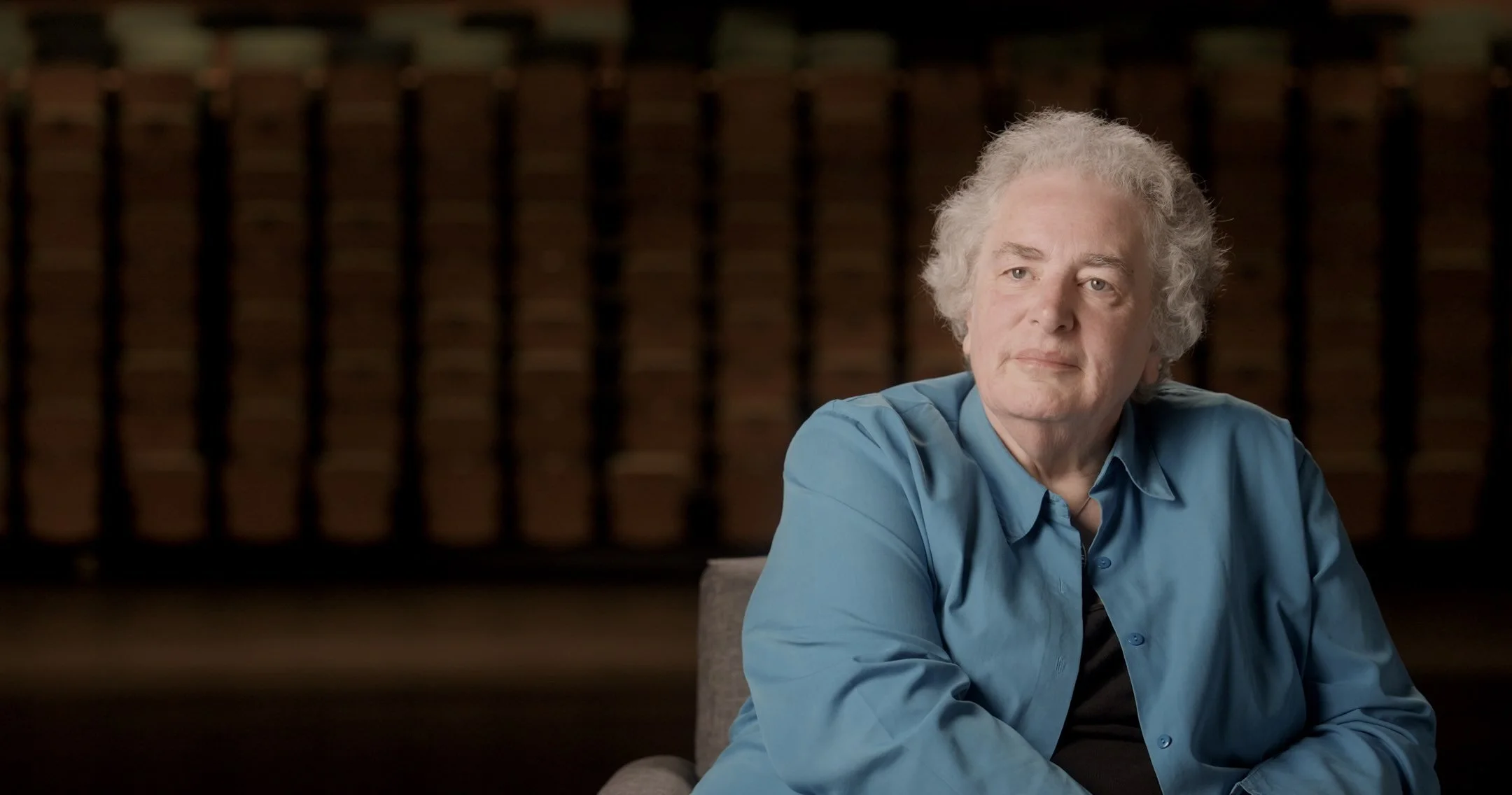
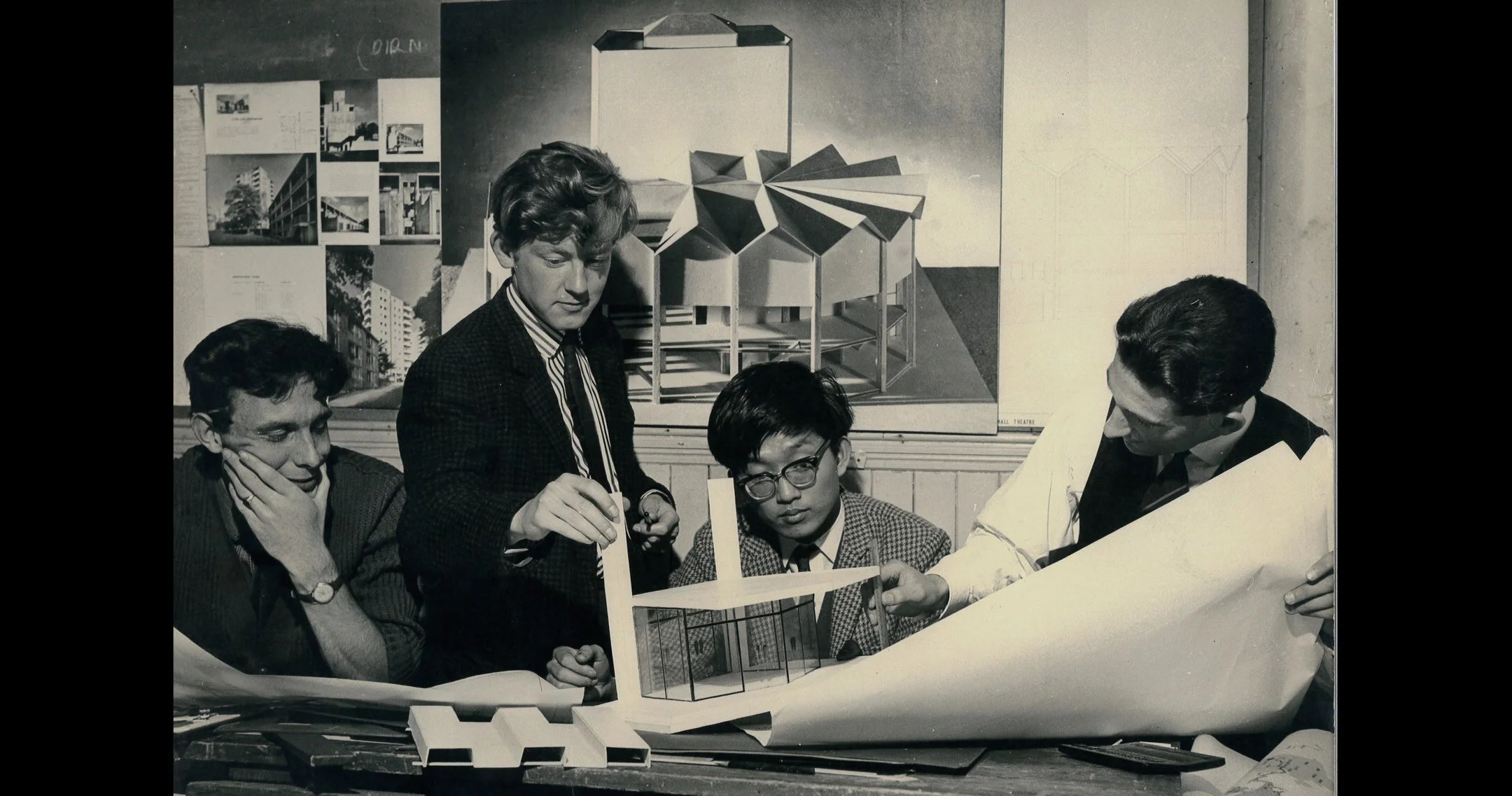
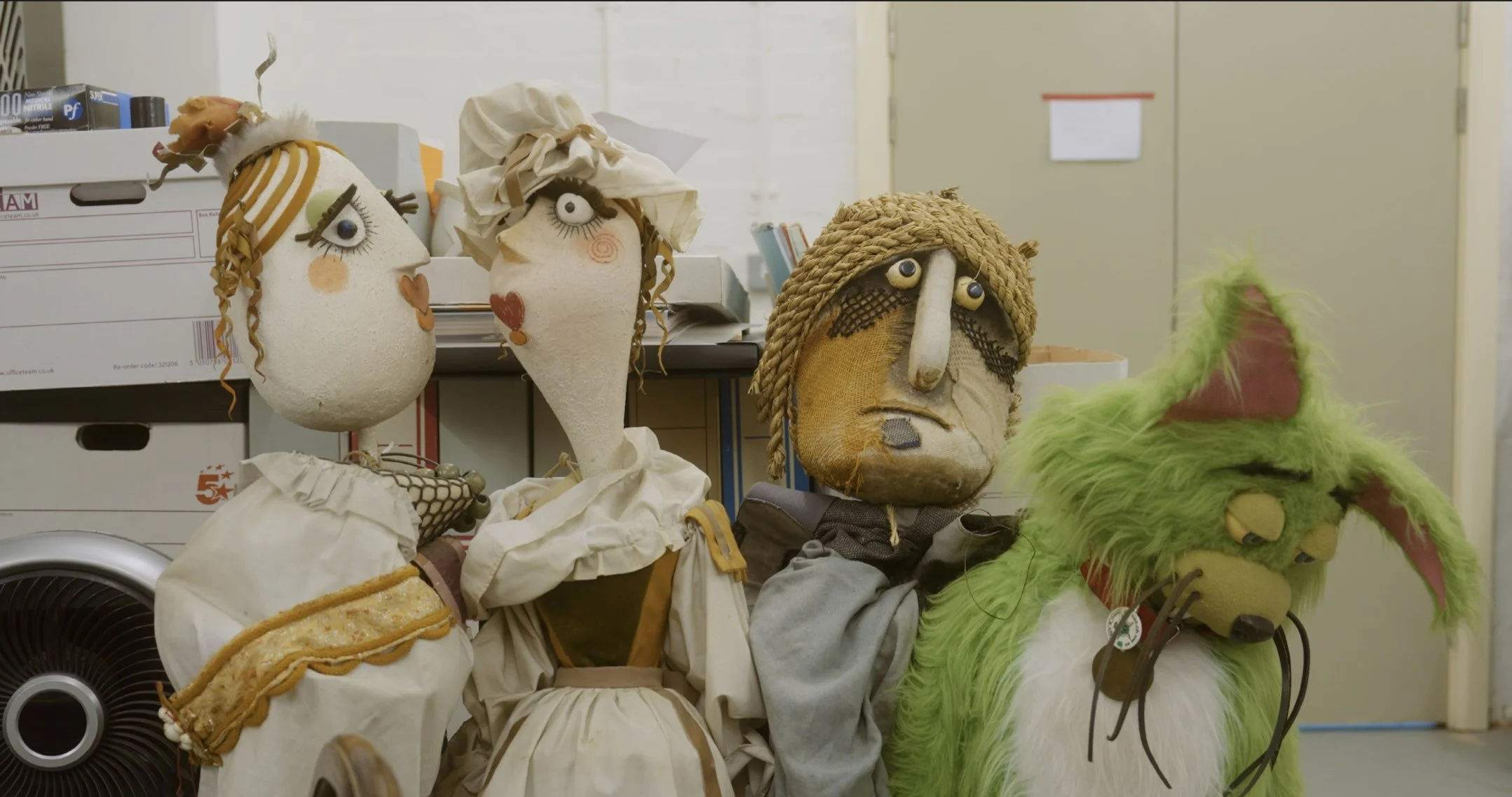
In this five-part docuseries, filmmaker Dan Watts interviews people who helped shape MAC and whose lives were shaped by it in return. Through personal stories and unseen archival material, the series uncovers the moments, movements, and memories that made MAC what it is today.
These films chronicle the life of MAC from the 1960s to the 2010s, each told through the biography of a contributor, reflecting on life growing up, their desire to push boundaries, and the political and cultural shifts that defined both the region and the country. Commissioned by the MAC New Work Trust, the series offers a portrait of an institution in motion.
5x 25min Documentaries Credits
Films by Dan Watts
Producer - Bliss Gibbons
Executive Producers - Dorothy Wilson MBE and John Smith
Featuring - Dorothy Wilson, Judy Dames, Paul Herbert, Robert Petty, Roger Shannon
Commissioner - MAC New Work Trust
Making of MAC: Part 1 – Paul Herbert
Paul Herbert made an important contribution to the Midlands Arts Centre (MAC). Working across music, theatre and opera from 1973 until 2008, Paul was responsible for many memorable community productions.
Taking bold programming risks to support large-scale, diverse works, he collaborated with the likes of MAC Director Derek Nicholls; Sir Graham Vick CBE; Director of Sampad Piali Ray OBE; and Karlheinz Stockhausen, among others. Alongside Sampad South Asian Arts and Heritage, he produced several joint projects, including Satyagraha, Layla Majnun and Heer Ranjha. Paul worked closely with young people, creating successful productions that engaged the community.
In retirement, he still teaches and continues to value education and participation, reflecting on a career defined by fostering creativity, skill and opportunities for others.


Making of MAC: Part 2 – Judy Dames
Judy Dames reflects on her career at the Midlands Arts Centre (MAC), where her dedication to craft and the visual arts has left a lasting legacy.
She began in the 1960s as a Volunteer Assistant in the ceramics studio, developing a deep passion for making and craft. She became Head of Art and Design at MAC, also establishing herself as a practising Ceramicist, creating and selling her own work. In the 1990s, she became Exhibitions (and Cinema) Programmer, curating ambitious exhibitions that brought together local and international artists.
Judy championed emerging talents such as the renowned Ceramicist Kate Malone and Turner Prize-nominee Artist Barbara Walker; as well as showcasing leading Craft Makers, including Magdalene Odundo, Elizabeth Fritsch and Ewen Henderson. She oversaw landmark exhibitions, including early works by David Hockney, and helped transform underused spaces in the centre into vibrant galleries.
Now in retirement, Judy continues her creative journey through embroidery, reflecting a life shaped by curiosity, creativity, and lifelong learning.


Making of MAC: Part 3 – Robert Petty
Robert Petty was Director of the Midlands Arts Centre (MAC) in the 1980s. At that time, MAC was a venue still mainly focused on children and young people, attracting a largely middle-class audience.
A capital grant from the closing Metropolitan Authority made it possible for Robert to lead a team of internal and external Advisors, which was able to broaden MAC’s appeal by designing and building new exhibition spaces, a cinema, main entrance, bar area, and courtyard that opened to the park. Robert increased programming for adult audiences and participants while preserving the emphasis on young people. He started to champion diverse cultural voices, supporting emerging artists.
The Director also navigated several controversies, including debates over the decision to develop the squash courts into a cinema, to open a bar, and the programming of an exhibition which reflected Birmingham’s gay community.
The changes in Robert’s time were important and lasting, and enabled future Directors to build strongly on his work.


Making of MAC: Part 4 – Roger Shannon
This film traces the eclectic career of Film Producer and Professor Roger Shannon, a key figure in shaping UK independent cinema.
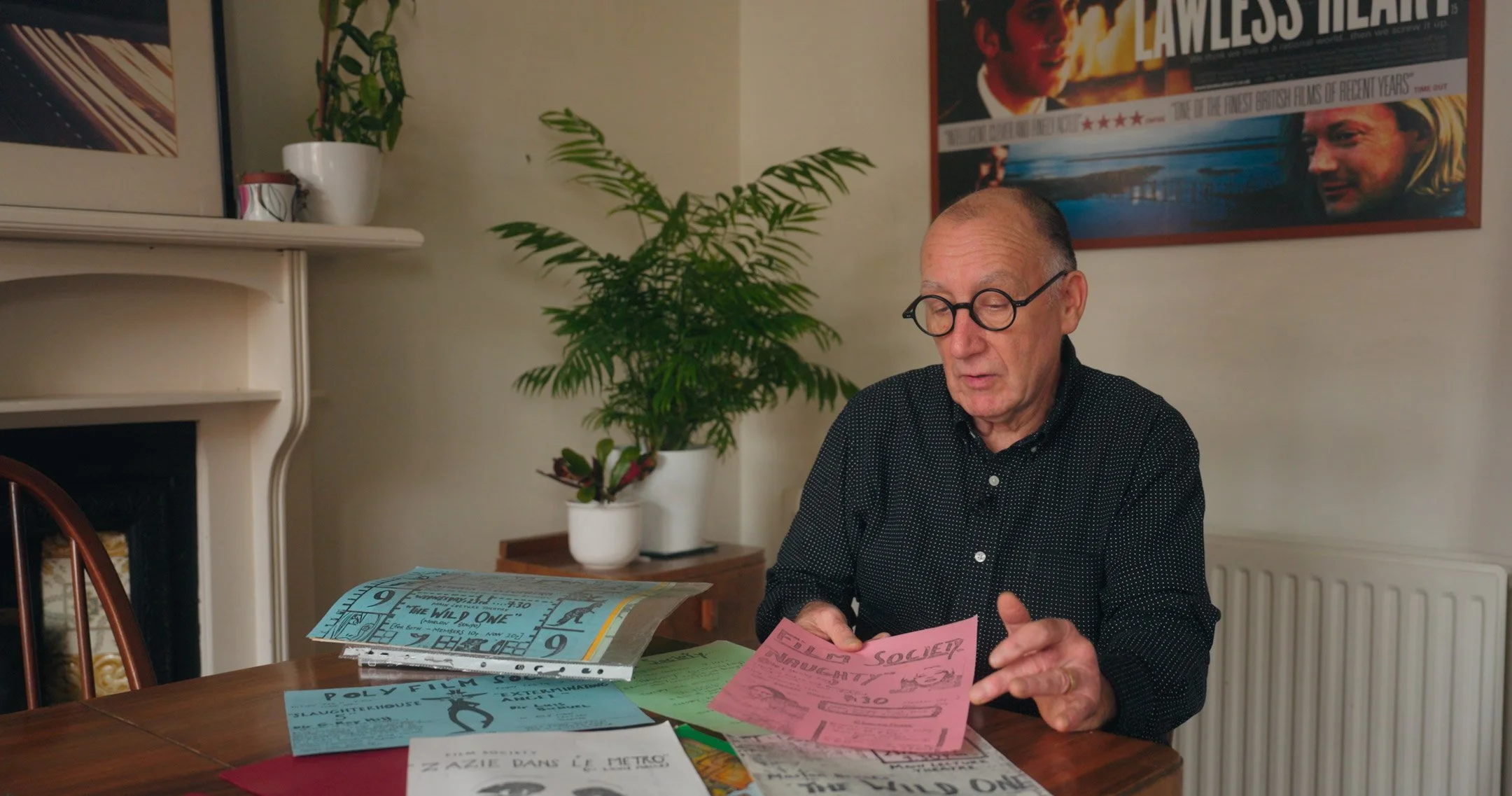
His journey began in Liverpool, where trips to the cinema with his father sparked a lifelong love of film. From running student film societies to studying Cultural Studies under Professor Stuart Hall at the University of Birmingham, Roger gravitated towards the city’s alternative arts scene. At the Arts Lab, he established the Birmingham Film and Video Workshop, collaborating with debut filmmaker Yugesh Singh Walia on a trio of festival-successful films, cementing his commitment to independent filmmaking.
In 1985, he founded the award-winning Birmingham International Film and Television Festival. Hosted for many years at the Midlands Arts Centre, the festival brought major regional premieres to the Midlands, launched new filmmakers, and showcased landmark works such as Sir John Akomfrah’s Handsworth Songs. Under Roger’s leadership, it became one of the UK’s most ambitious Film and TV festival programmes. He later served as Head of Production at the British Film Institute, the UK Film Council, and Scottish Screen, consolidating his role as an Executive Producer.
Reflecting on Birmingham’s rich film heritage and the importance of cultural democracy, Roger champions cinemas and filmmakers that take risks, nurture emerging voices, and keep independent film alive. At its heart, the film celebrates the creativity and curiosity that have fuelled his life’s work.


Making of MAC: Part 5 – Dorothy Wilson MBE
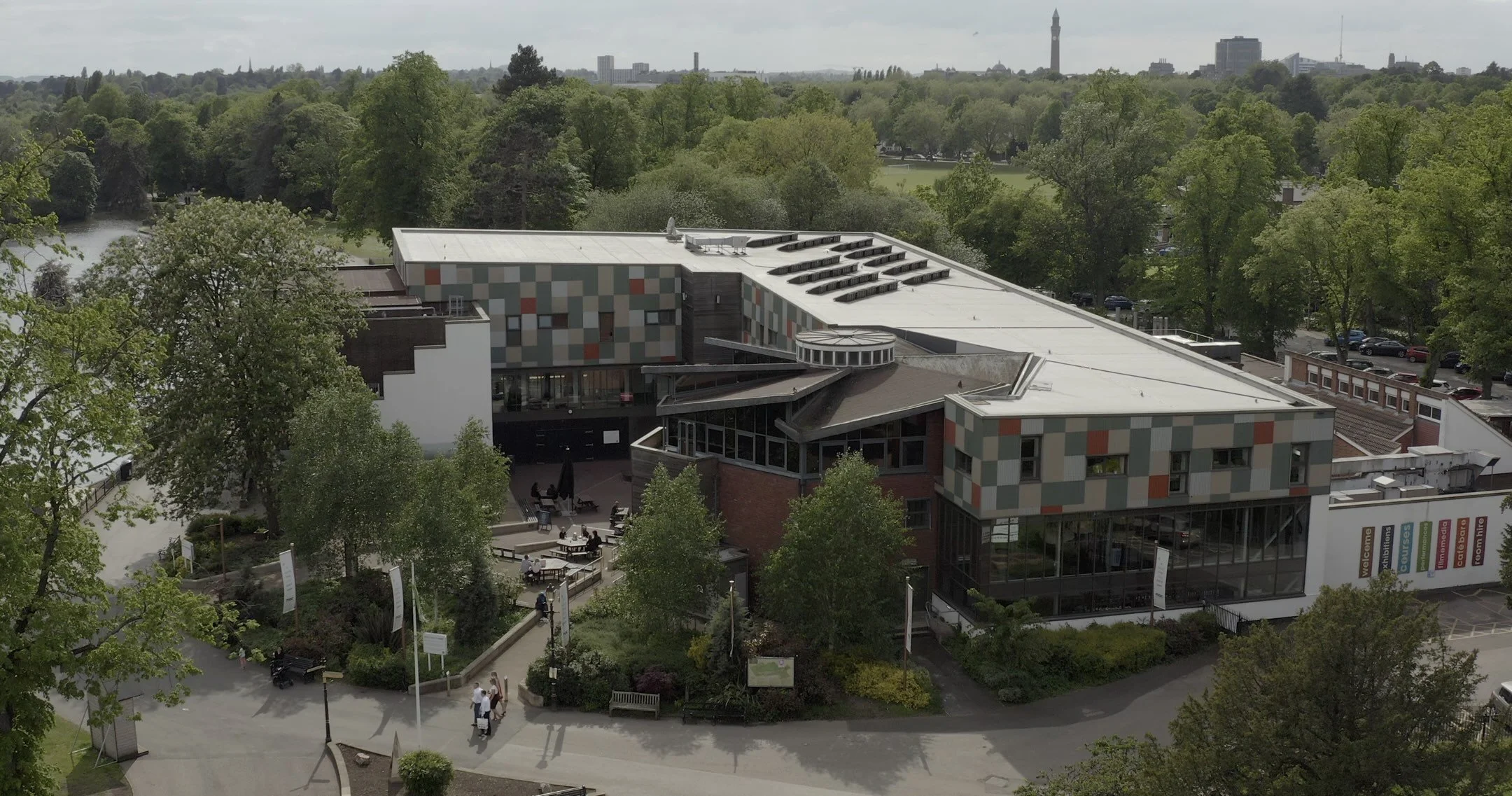
This film tells the story of the transformation of the Midlands Arts Centre (MAC) under the leadership of former Chief Executive and Artistic Director Dorothy Wilson MBE. Alongside key figures including: Board members John Smith and Anita Bhalla OBE, Sampad Director Piali Ray OBE, and former MAC Chief Executive Geoff Sims. Together, they reimagined a tired 1960s building into a vibrant, welcoming hub for creativity, culture, and community.
Facing the realities of running a historic arts venue, structural decay, accessibility challenges, and funding shortages, the team embarked on an ambitious redevelopment project that spanned nearly two decades. First proposed in 1991 and completed in 2010, the project demanded persistence, collaboration, and a shared belief in MAC’s future.
Through bold design and careful restoration, new spaces for music, theatre, dance, and the visual arts were created, staying true to MAC’s ethos of embracing all art forms and championing cultural inclusion. The film also looks to the present, with current Chief Executive and Artistic Director Deborah Kermode reflecting on the new exhibition space that enables MAC to showcase work from national collections and collaborate with partners such as the Tate, Crafts Council Gallery, Design Museum, and Hayward Gallery.